
Room and use
Ventilation, view, privacy, furniture, reach, cleaning, and egress.
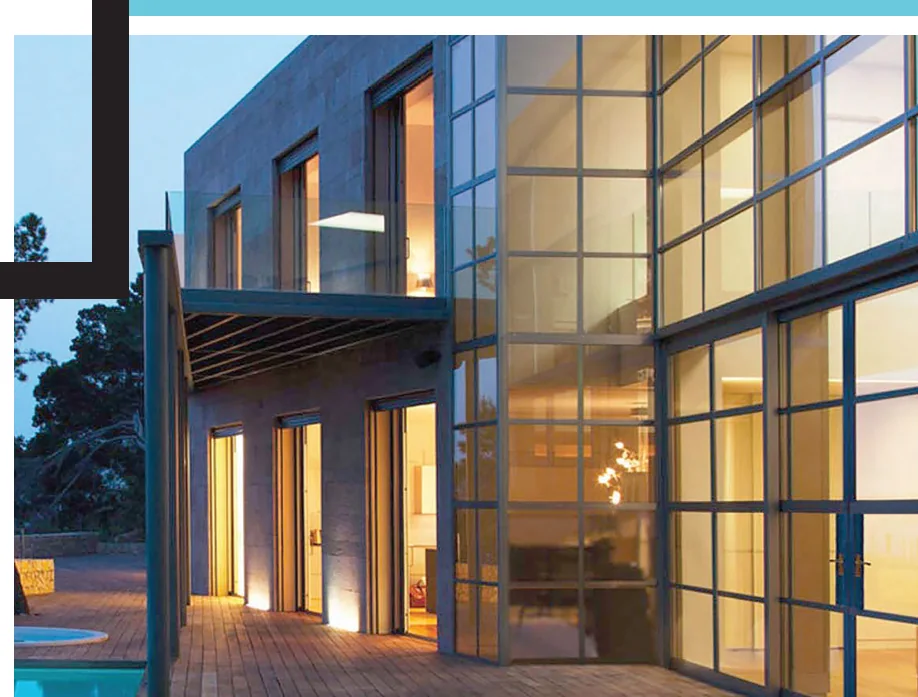
Replacement windows
Compare operating style, frame material, glass performance, sightline, exposure, and installation together, then open the exact product that fits the shortlist.
Request a free estimateA better starting point
A window has to do several jobs at once. It manages daylight, ventilation, weather, heat transfer, solar gain, privacy, egress, maintenance, and the way the wall looks from inside and outside.
The best replacement is not automatically the lowest U-factor or the most expensive frame. It is the complete configuration that fits the opening, handles the exposure, operates comfortably, meets code, and can be installed without leaving the surrounding wall vulnerable.
Ventilation, view, privacy, furniture, reach, cleaning, and egress.
Existing frame, water history, wall depth, stucco or siding, sill, and trim.
Orientation, shade, solar heat, visible light, UV, safety glazing, and noise.
Series, style, size, frame, color, hardware, screen, rating, and warranty.
Documented window products
Each product page includes manufacturer-grounded photography, construction details, available styles, performance data where published, options, technical resources, and the decisions that still need written confirmation.
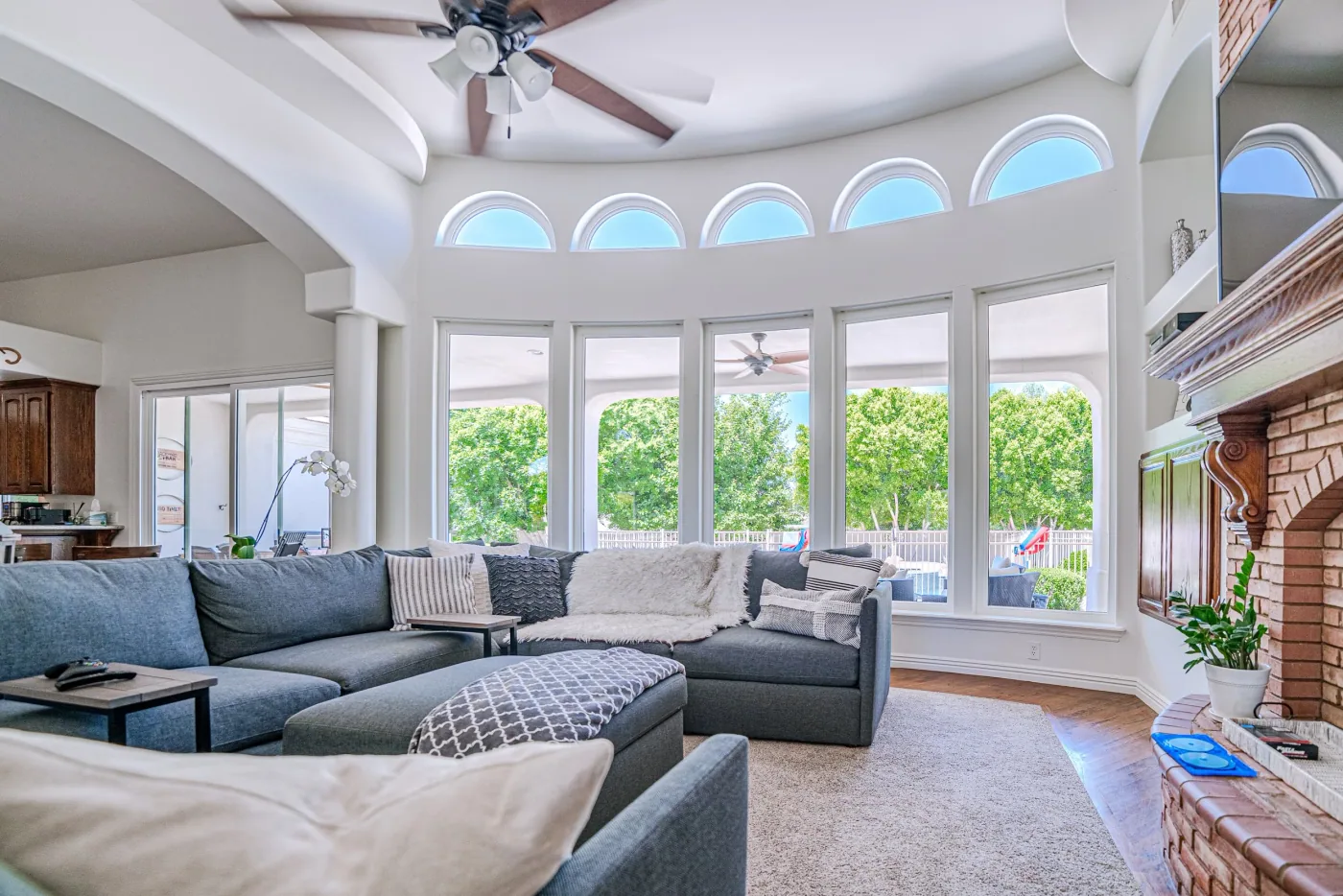 Sonoran Series Hybrid WindowsAn Arizona-focused hybrid system pairing vinyl thermal performance with structural reinforcement and desert-oriented glass choices.View product
 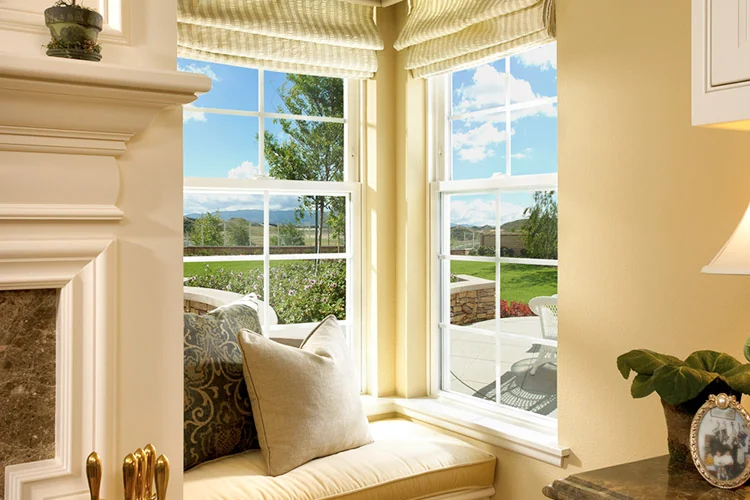 Anlin Catalina SeriesA versatile vinyl replacement series designed for beauty, energy efficiency, durability, and straightforward operation.View product
 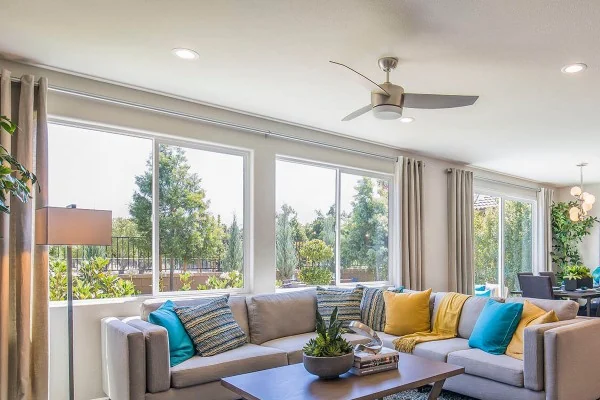 Anlin Panoramic SeriesA slim-profile vinyl series made to increase glass area, natural light, and a clean contemporary view.View product
 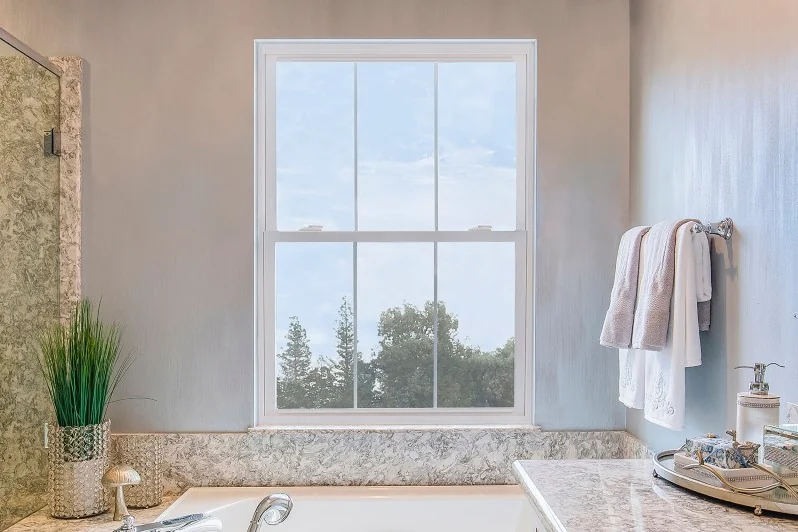 Anlin Coronado SeriesCompanion windows with the added frame depth needed for operating styles beyond Catalina and Panoramic.View product
 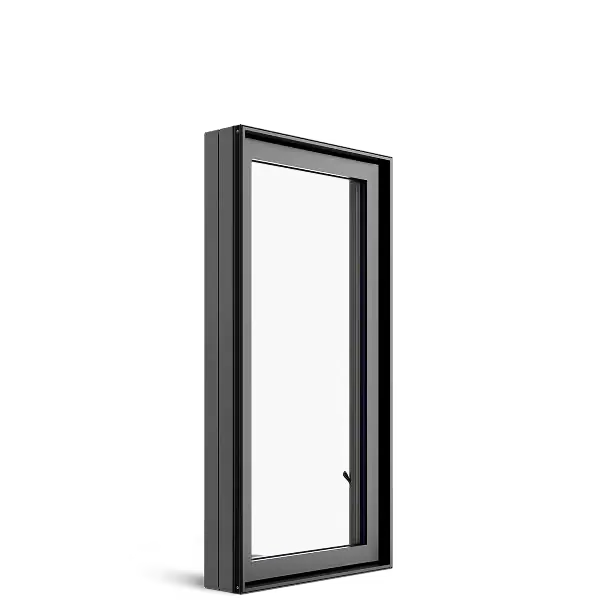 Marvin Fiberglass Window OptionsMarvin offers fiberglass-centered collections with clean profiles and a range of operating and fixed window types.View product
 Product imagery is shown for comparison. Final colors, glass, hardware, dimensions, ratings, warranty terms, and Arizona availability are confirmed from current samples and the written proposal.
Window styles
Operating style affects airflow, screen placement, cleaning, egress, exterior clearance, view, hardware, and maximum size. Compare the styles here, then verify availability on the exact product page.
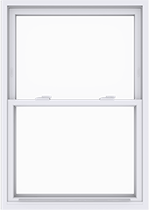
A lower sash moves vertically while the upper sash remains fixed.
Good starting pointFamiliar operation, ventilation, and space-conscious exteriors.
View 3 matching product pages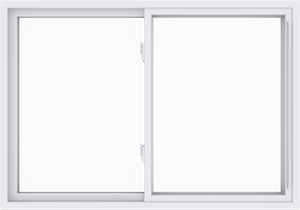
One sash moves horizontally beside a fixed sash.
Good starting pointPatios, walkways, shrubs, and wide openings where outward swing is undesirable.
View 3 matching product pages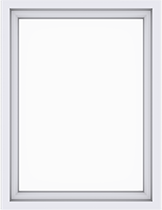
A fixed window maximizes uninterrupted glass and daylight.
Good starting pointViews, architectural compositions, and rooms that do not need ventilation at the opening.
View 4 matching product pages
Fixed shapes add arches, circles, angles, and custom architectural rhythm.
Good starting pointGables, entry compositions, stair halls, and distinctive elevations.
View 4 matching product pages
A side-hinged sash opens outward with a crank or handle.
Good starting pointBroad ventilation, tight compression seals, and taller contemporary proportions.
View 2 matching product pages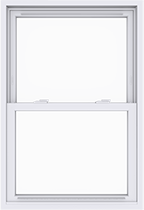
Both upper and lower sashes move vertically.
Good starting pointFlexible ventilation and traditional elevations.
View 2 matching product pages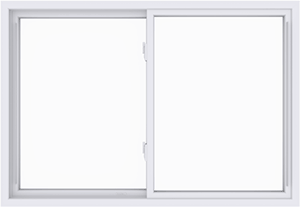
Both horizontal sashes move for ventilation from either side.
Good starting pointWide openings that benefit from flexible airflow and easy access.
View 1 matching product page
A top-hinged sash opens outward from the bottom.
Good starting pointVentilation higher on a wall or paired beneath and above fixed glass.
View 2 matching product pages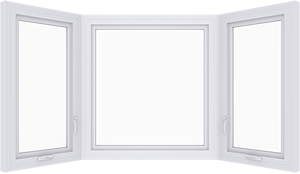
Multiple windows project beyond the exterior wall to create depth and a wider view.
Good starting pointLiving rooms, breakfast areas, and architectural focal points.
View 1 matching product page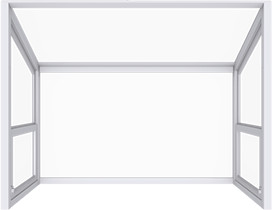
A compact projecting window creates a small glass shelf or display area.
Good starting pointKitchens and locations that benefit from added light and depth.
View 1 matching product pageFrame materials
Compare material with the actual frame profile, reinforcement, finish system, glass, drainage, hardware, maximum size, and installation. Two products with the same material label can behave and look very differently.
Strong thermal value, low maintenance, broad availability, and practical replacement-frame choices.
High dimensional stability and strength with slim, durable profiles.
Slim sightlines and structural capability for modern and large-opening designs.
Two or more materials are combined so reinforcement, thermal behavior, finish, or interior character can be handled separately.
Arizona performance
Whole-window performance depends on the complete assembly and how it meets the wall. Ask for opening-specific values and an installation scope detailed enough to understand what happens around the window.
SHGC describes admitted solar heat. Lower values are often useful on heavily exposed Arizona elevations, but orientation, shade, glass area, and visible-light goals still matter.
U-factor describes heat transfer through the complete rated unit. Lower is generally better, but compare the exact style and size rather than a generic glass package.
Weatherstripping, locks, drainage, frame construction, installation, and opening condition affect comfort and water management beyond the headline thermal numbers.
The estimate should define removal, flashing, sealants, frame anchorage, sill condition, interior trim, exterior finish transitions, protection, cleanup, and disposal.
Window FAQs
There is no universal winner. Vinyl offers broad availability and strong thermal value. Fiberglass adds dimensional stability and strength. Thermally broken aluminum supports slim profiles and larger architectural openings. Hybrid systems combine materials. Compare the complete product, glass, exposure, installation, and budget.
Lower SHGC generally reduces admitted solar heat, but the right target depends on orientation, shade, glass area, visible-light goals, and the complete window. Use the NFRC rating for the exact ordered configuration, not a center-of-glass claim.
Sometimes. A retrofit installation may preserve portions of the existing frame, while a full-frame installation removes more of the old assembly. Existing frame condition, water history, opening size, finish transitions, and performance goals should drive the method.
Require the same information from both: manufacturer, series, style, size, frame, glass, grids, color, hardware, screens, installation method, flashing, trim or stucco scope, disposal, warranty, and whole-product performance.
Free window and door estimates
We will narrow the style, frame, glass, finish, and installation path around your home instead of forcing one product into every room.